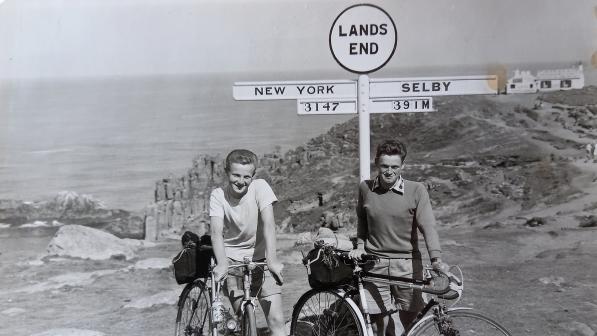
By Simeon Miller · Cycling researcher and enthusiast
Cycling John o’ Groats to Land’s End is the longest continuous ride you can do on UK soil. Stretching roughly 874 miles from the northern tip of Scotland to the southwestern corner of Cornwall, it is a true endurance challenge. Thousands of cyclists attempt it every year, from seasoned tourers to complete beginners. However, without the right preparation, it can become dangerous. This guide covers exactly what to watch out for, so you arrive at Land’s End safely and in one piece.
Cycling John o’ Groats to Land’s End: Why Planning Stop Locations Matters
Planning safe stop locations is one of the most important steps before you turn a single pedal. Cycling John o’ Groats to Land’s End covers remote stretches of Scottish Highlands, rural England, and exposed Cornish coastline. Many of these sections have very few towns or services nearby. Therefore, knowing exactly where you will rest, eat, and sleep each day keeps you safe and on schedule.
A well-planned stop gives your body time to recover. It also means you are never caught out in the dark in an unfamiliar area. Most cyclists aim for between 70 and 100 miles per day, depending on fitness and terrain. However, this number should flex around where safe accommodation actually exists.
- Research towns, hostels, and campsites along your chosen route in advance.
- Identify 24-hour petrol stations or convenience stores for emergency food and water.
- Always have a backup stop planned in case your primary location is full or closed.
- Share your daily stop locations with a trusted contact back home.
- Use apps like Komoot to pre-load waypoints and overnight spots onto your device.
Above all, never skip a planned stop just to add extra miles. Fatigue compounds quickly on a multi-week ride, and pushing through without proper rest is where most cyclists run into trouble.
Managing Fatigue on a Long-Distance UK Cycle
Fatigue is the silent enemy on any ride of this scale. Cycling John o’ Groats to Land’s End typically takes between 10 and 14 days for a fit rider, and significantly longer for those pacing themselves. Therefore, managing your energy output from day one is absolutely critical.
Recognising Early Warning Signs
Fatigue does not always feel like tiredness. Sometimes it shows up as poor decision-making, irritability, or a sudden loss of appetite. Consequently, you should monitor how you feel mentally as well as physically every single day. If your reaction times slow down, get off the road immediately.
Rest and Recovery Strategies
Sleep is non-negotiable. Aim for at least seven to eight hours each night. Additionally, build in short five to ten minute breaks every hour while riding. Eat real, calorie-dense food rather than relying solely on energy gels. Long distance cycling tips recommend fuelling consistently throughout the day rather than waiting until you feel hungry, as hunger is often a lagging indicator of energy depletion.
- Take one full rest day every three to four riding days if fatigue builds.
- Stretch your legs and hips for ten minutes each morning before riding.
- Avoid alcohol during the ride — it severely disrupts recovery sleep.
- Use a cycling computer to track your output and avoid going too hard early on.
Choosing Safe Riding Routes for Cycling John o’ Groats to Land’s End
Choosing safe riding routes is just as important as physical fitness when cycling John o’ Groats to Land’s End. The most common route follows the A9 through Scotland before dropping into England via the west or east coast. However, busy A-roads can be dangerous for long stretches. Therefore, many experienced tourers opt for quieter B-roads and dedicated cycling paths wherever possible.
Sustrans and the National Cycle Network offer mapped, traffic-calmed alternatives across much of the UK. These routes take longer in miles but are significantly safer and more enjoyable. The Sustrans website provides free downloadable route maps for most of the country.
- Use the National Cycle Network where it runs parallel to your intended route.
- Avoid major motorways and dual carriageways — these are illegal for cyclists.
- Check road conditions in advance, especially in the Scottish Highlands during winter months.
- Plan for gradient changes, as steep climbs in Devon and Cornwall catch many riders off guard.
Furthermore, always download offline maps before each day’s ride. Mobile signal in rural Scotland and parts of Wales is unreliable. Relying solely on live GPS can leave you stranded without directions.
Visibility When Riding Is a Safety Essential
Visibility on the road directly affects your safety at every stage of cycling John o’ Groats to Land’s End. Rural roads in Scotland and northern England can be narrow, with fast-moving traffic and no cycling infrastructure. As a result, drivers must see you clearly at all times, whether it is dawn, dusk, or the middle of a rainy afternoon.
What to Wear and Carry
Wear high-visibility clothing as your base layer choice, not just a reflective band on top. Additionally, fit your bike with front and rear lights even if you plan to ride only in daylight. Weather on this route changes rapidly, and you may find yourself riding in low-light fog unexpectedly.
- Use a rear flashing red light at all times, not just at night.
- Fit a bright front white light with a minimum 200-lumen output.
- Wear a hi-vis vest or jacket in yellow or orange for maximum road presence.
- Add reflective strips to your panniers, helmet, and ankles.
UK law requires cyclists to use lights between sunset and sunrise. However, best practice on a long-distance ride means keeping them active during any period of reduced visibility, regardless of time.
Repair Kits and Bike Maintenance on the Road
Cycling John o’ Groats to Land’s End means spending days in areas where the nearest bike shop could be 50 miles away. Therefore, carrying a solid repair kit is not optional — it is essential. A mechanical failure in the middle of the Scottish Highlands without the right tools can end your ride entirely.
Keep your repair kit light but comprehensive. Every gram counts over 874 miles, but being stranded counts far more. For a deeper look at what experienced tourers recommend carrying, check out these long distance cycling tips that cover kit selection in detail.
- Carry at least two spare inner tubes and a reliable mini pump.
- Pack tyre levers, a multi-tool, and a chain breaker as your minimum toolkit.
- Bring a small tube of chain lube — wet conditions on this route are near guaranteed.
- Include a patch kit for emergencies when you run out of spare tubes.
- Know how to perform a basic spoke repair or at least how to true a wheel slightly.
Additionally, inspect your bike thoroughly each morning before setting off. Check tyre pressure, brakes, and gear shifting. Catching a small issue early is far easier than dealing with a full mechanical failure mid-ride.
Understanding Weight: Rider and Bike Combined
The combined weight of rider and bike has a significant impact on performance when cycling John o’ Groats to Land’s End. Every extra kilogram you carry means more energy expended on climbs and more strain on your components over hundreds of miles. Therefore, striking the right balance between carrying enough gear and keeping weight low is a skill in itself.
Bike Setup and Load Distribution
A loaded touring bike with panniers, tent, sleeping bag, and food can easily exceed 25 kilograms of total bike weight alone. Add a rider and you are asking your wheels, tyres, and frame to carry a significant load daily. Consequently, choose components rated for touring use rather than standard road cycling specifications.
- Use a bike with reinforced wheels and 32mm or wider tyres for loaded touring.
- Distribute weight evenly between front and rear panniers to maintain handling.
- Carry only what you genuinely need — audit your kit before you leave.
- Consider a supported ride format where a vehicle carries your heavy gear each day.
Furthermore, rider bodyweight matters too. Heavier riders should pay close attention to tyre pressure and spoke tension, as both take more stress under load. A bike fitting session before the trip helps ensure your position is efficient and reduces unnecessary fatigue across the full distance.
| Aspect | Recommended Approach | Common Mistake |
|---|---|---|
| Stop Locations | Pre-plan with backup options daily | Riding until exhaustion before searching |
| Fatigue Management | Rest every hour, sleep 7-8 hours nightly | Pushing through tiredness to gain miles |
| Route Choice | B-roads and National Cycle Network paths | Following busy A-roads for speed |
| Visibility | Lights on at all times, full hi-vis kit | Lights only at night, dark clothing |
| Repair Kit | Two tubes, multi-tool, lube, patches | Carrying only one tube or no chain lube |
| Weight Management | Balanced load, touring-rated components | Overloaded rear pannier, wrong tyres |
Frequently Asked Questions
How long does it take to cycle John o’ Groats to Land’s End?
Cycling John o’ Groats to Land’s End typically takes between 10 and 14 days for a fit, experienced cyclist covering 70 to 100 miles per day. Beginners or those taking a leisurely pace often allow 3 to 4 weeks. Your daily mileage, terrain, and rest days will all affect the total duration significantly.
What is the best time of year to attempt this ride?
Most cyclists choose May through to September for the best weather and daylight hours. June and July offer the longest days, which is especially useful in Scotland. Avoid winter months where possible, as the Scottish Highlands become hazardous with ice, short daylight windows, and severe wind conditions that make the ride genuinely dangerous.
Do I need a support vehicle for cycling John o’ Groats to Land’s End?
A support vehicle is not essential, but it makes the ride considerably safer and more comfortable. Many riders choose a fully self-supported approach with panniers. However, a support vehicle removes the weight burden entirely and ensures you have mechanical help nearby. Both formats are valid depending on your experience level and budget.
What type of bike is best suited for this route?
A touring bike or a gravel bike with wide tyres is generally the best choice for cycling John o’ Groats to Land’s End. Road bikes can be used but may struggle under the load of full touring kit. The route includes varied terrain, so a bike that handles both tarmac and light off-road sections is ideal for most riders.
How do I stay safe riding through remote areas of Scotland?
Always tell someone your daily route and expected stop location before you ride. Carry a fully charged mobile phone and a portable power bank. Use lights and hi-vis clothing at all times. Additionally, keep your repair kit accessible and never ride to the point of complete exhaustion in areas where help may be far away.
